

The Importance of Scheduling Annual Septic Tank Cleaning
A septic system plays an important role in managing wastewater for properties that are not connected to a municipal sewer system. Like other major household systems, it requires regular maintenance to continue operating properly. Waiting until drains slow down or wastewater backs up can allow smaller issues to become more difficult and expensive to address. Routine maintenance provides an opportunity to remove accumulated solids and evaluate the condition of the tank. According to the U.S. Environmental Protection Agency, a septic tank should be pumped when the liquid depth contains more than 25% sludge and scum. The recommended timeline for septic tank cleaning is every three to five years, although the frequency may vary depending on the number of occupants in the home or establishment, the age of the septic system, and whether existing issues are present. Regular attention can also support better drainage, reduce unpleasant odors, and help protect the surrounding property. Understanding the benefits of a consistent maintenance schedule makes it easier to recognize why professional septic care matters.
Preventing Excessive Sludge Buildup
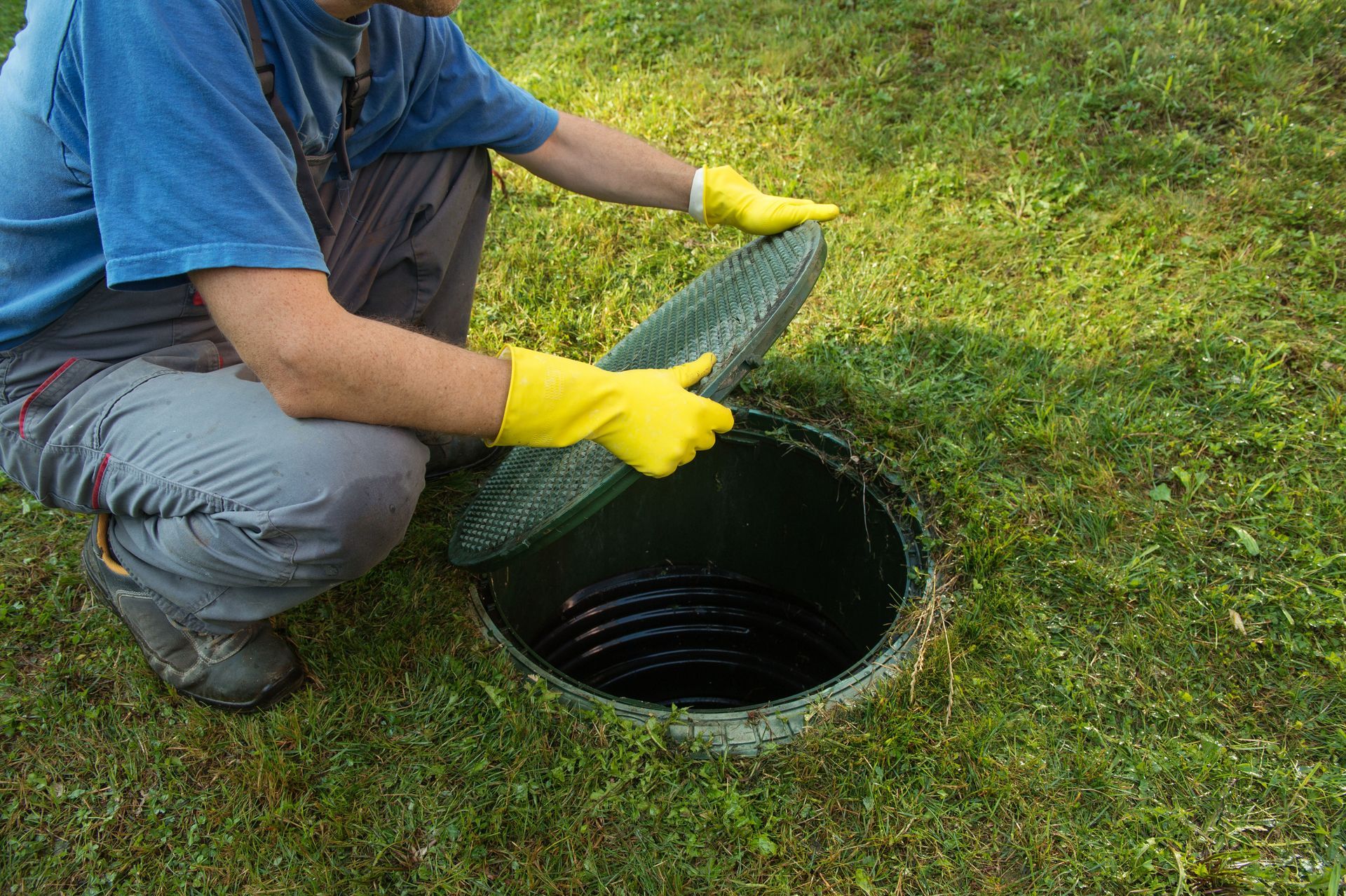
Wastewater entering a septic tank naturally contains solid materials that settle or separate inside the tank. Over time, these materials accumulate as sludge and scum. If they are allowed to build up excessively, the available space for wastewater treatment can become reduced. This can interfere with the normal separation process that allows the system to function. Regular septic tank cleaning removes accumulated material before it becomes a larger concern. Professional technicians can safely access the tank and remove solids using appropriate equipment. Routine service also provides an opportunity to observe the tank's condition while maintenance is being performed. Keeping buildup under control supports more consistent septic system operation.
Supporting Proper Wastewater Flow
A septic system depends on consistent wastewater movement between the tank, pipes, and drainfield. Excessive solids can interfere with this process and contribute to restricted flow. When wastewater cannot move efficiently, household drains may begin to empty more slowly. Continued restrictions can eventually contribute to backups or standing wastewater around the property. Regular maintenance helps remove accumulated material that could interfere with normal system capacity. Septic tank cleaning can therefore be part of a broader effort to maintain dependable wastewater flow. Technicians can also identify conditions that may warrant additional inspection or service. Maintaining clear pathways helps the system handle normal household wastewater more effectively.
Reducing The Risk Of Backups
A septic backup can create an unpleasant and disruptive situation for a household. Wastewater may begin returning through drains when the system can no longer accommodate incoming flow properly. Backups can affect bathrooms, kitchens, laundry areas, and other parts of the property. In addition to creating inconvenience, wastewater exposure can introduce contaminants into areas where people live and work. Regular maintenance can reduce the likelihood that excessive tank buildup will contribute to these problems. Scheduling septic tank cleaning before serious symptoms appear allows accumulated solids to be addressed proactively. Professional service can also reveal signs of potential issues that deserve additional attention. Preventive maintenance is generally easier to manage than responding to an unexpected wastewater backup.
Protecting The Drainfield
The drainfield is a critical part of a septic system because it receives and disperses treated wastewater into the surrounding soil. Excessive solids inside the tank can affect the quality of wastewater leaving the tank. When too many solids enter the drainfield, they may contribute to soil clogging and reduced drainage capacity. This can make it harder for the drainfield to absorb wastewater as intended. Routine tank maintenance helps limit the amount of accumulated material that can move beyond the tank. Septic tank cleaning supports this effort by removing solids before they become an increasing burden on the system. Protecting the drainfield is important because repairs or replacement can be significantly more involved than routine maintenance. Proper maintenance can therefore contribute to the long-term function of the entire septic system.
Limiting Unpleasant Odors
Septic systems can produce unpleasant odors when problems develop or when accumulated waste is not properly managed. Strong odors around drains, the tank area, or the drainfield may indicate that the system needs attention. While odors can have multiple causes, excessive buildup is one condition that should not be ignored. Regular maintenance helps remove accumulated sludge and scum that can contribute to unpleasant conditions. Septic tank cleaning can also allow technicians to identify other potential sources of odor during service. Addressing concerns early may prevent them from becoming more disruptive to the property. Property owners should pay attention to persistent odors rather than assuming they are a normal part of septic ownership. Prompt maintenance can help keep the system and surrounding areas more manageable.
Extending System Service Life
A septic system represents a significant investment in a property's wastewater infrastructure. Proper maintenance can help reduce unnecessary strain on the tank, pipes, and drainfield. When accumulated solids are allowed to remain for extended periods, the system may have to operate under less favorable conditions. Regular service helps keep the tank's contents at manageable levels. Septic tank cleaning is one component of a broader maintenance routine that can support the system over time. Professional technicians can also identify visible concerns before they develop into more extensive problems. Addressing maintenance needs consistently may help property owners avoid premature system deterioration. A well-maintained septic system can provide dependable wastewater management for many years.
Identifying Potential System Problems
Routine service does more than remove accumulated material from the tank. It also creates an opportunity for professionals to look for signs of damage or abnormal conditions. Technicians may notice issues involving tank components, access points, wastewater levels, or other parts of the system. Identifying these concerns early can give property owners more time to determine the appropriate response. Septic tank cleaning can therefore serve as an important part of an overall inspection and maintenance strategy. Small warning signs may be easier to address before they contribute to a larger system failure. Professional observations can also help property owners understand whether additional evaluation is recommended. Regular maintenance provides useful information about the condition of a septic system over time.
Maintaining A Consistent Service Schedule
Waiting for obvious problems before maintaining a septic system can make routine care more difficult to manage. A consistent schedule provides property owners with a simple way to keep maintenance from being overlooked. Annual service can be particularly useful for households that want a predictable reminder to evaluate their septic system. However, maintenance needs can vary depending on household size, water usage, tank capacity, and other factors. Septic tank cleaning should therefore be scheduled according to the property's specific conditions and professional recommendations. Keeping records of previous service dates can also make it easier to plan future maintenance.
Consistent care allows property owners to address routine needs before they become urgent problems. Working with a professional septic service can help establish a practical maintenance approach for the property.
Sellman Septic Services can help property owners maintain their septic systems through professional maintenance and cleaning. Regular attention can help manage accumulated solids, support wastewater flow, and identify potential concerns before they become more disruptive. A consistent maintenance routine can also make it easier to address septic needs before they interfere with daily activities. Professional service provides property owners with an opportunity to keep their systems operating under appropriate conditions. Contact us to schedule septic maintenance and discuss the appropriate cleaning schedule for your property.


Share On: